
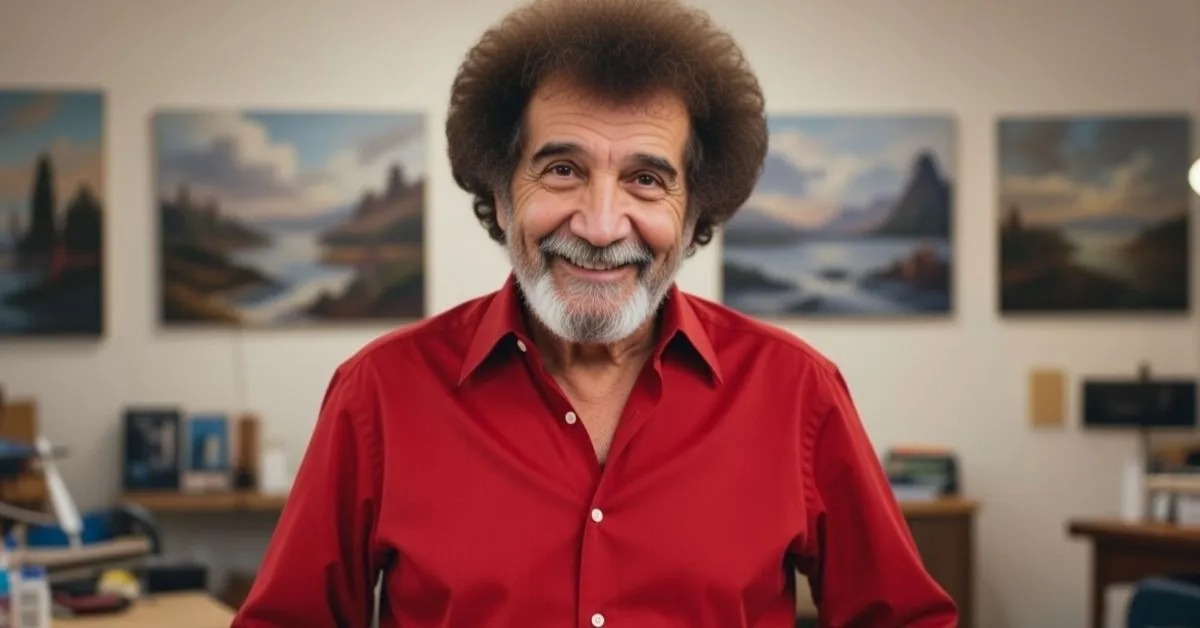

Bob Ross, the gentle-voiced painter famous for his happy little trees, is more than just a beloved TV icon he was also a shrewd creator who built a lasting financial legacy.
Millions of fans remember him for The Joy of Painting, a show that taught viewers to embrace creativity and make art accessible to everyone. Beyond his calm demeanor and iconic afro, Bob Ross generated income from multiple sources, including his television program, books, painting supplies, and merchandise.
Today, fans and art enthusiasts alike are curious: how much was Bob Ross really worth? In this article, we dive deep into his estimated net worth, explore the various income streams that contributed to his fortune, and examine how his legacy continues to generate earnings even decades after his passing.
if you’re a fan of his paintings or simply curious about the financial side of this cultural icon, this guide covers everything you need to know.
Early Life and Background
Bob Ross was born on October 29, 1942, in Daytona Beach, Florida, to Emmett and Ollie Ross. Growing up during the post-war era, Bob experienced a modest childhood that shaped both his personality and his future career. From a young age, he displayed a quiet curiosity and a love for nature, which would later inspire his signature “happy little trees” on canvas. Despite these early interests, art was not his initial career path; financial stability was a priority for his family, and Bob followed a more practical route.
At the age of 18, Bob Ross joined the United States Air Force, serving as a medical records technician. He was stationed in Alaska, a location that profoundly influenced his appreciation for landscapes and the natural world. During his 20-year military career, he rose to the rank of master sergeant, a position that instilled discipline and patience traits that became essential in his painting and teaching style.
While stationed in Alaska, Ross discovered the wet-on-wet painting technique, which would become his hallmark. He began teaching art to fellow airmen and discovered the joy of guiding others through the creative process. These early experiences laid the foundation for his eventual transition into television and his iconic role as a beloved art instructor.
Early Influences on His Art
Alaska’s breathtaking landscapes had a lasting impact on Bob Ross’s artistic vision. Snow-capped mountains, dense forests, and serene lakes became staples in his paintings. Influenced by mentors and instructional art books, Ross refined the wet-on-wet oil painting technique, allowing him to complete entire landscapes in a single sitting. His military career also shaped his calm, methodical approach to teaching he valued patience, encouragement, and simplicity. These elements combined to create the approachable style that would make him a cultural icon, inspiring millions of viewers to pick up a brush and embrace creativity without fear.
Rise to Fame: The Joy of Painting
Bob Ross’s rise to fame began with the launch of his television show, The Joy of Painting, in 1983. Airing on PBS, the program quickly became a cultural phenomenon due to Ross’s gentle teaching style, encouraging words, and ability to make painting accessible to everyone. The show’s format was simple yet effective: in each 30-minute episode, Ross would complete an entire landscape using his signature wet-on-wet technique, breaking down complex methods into easy-to-follow steps.
What set Ross apart was not just his technique but his personality. Viewers were drawn to his calm demeanor, soothing voice, and the way he celebrated mistakes as “happy accidents.” The show reached millions across the United States and was syndicated internationally, introducing audiences worldwide to the magic of painting.
Beyond television, Ross’s rising fame opened doors for multiple income streams. He began selling art supplies, instructional books, and painting kits through Bob Ross Inc., the company he co-founded to manage his brand and merchandise. The combination of television exposure and product sales significantly boosted his earnings, transforming him from a local art instructor into a household name. By the late 1980s and early 1990s, Bob Ross had become a recognizable figure not only in the art world but also in pop culture, cementing his legacy as a beloved educator and entertainer.
Why The Show Was So Popular
The Joy of Painting became a hit due to its simplicity, accessibility, and Ross’s unique personality. Unlike other art programs, Ross focused on encouragement rather than criticism, making viewers feel capable of creating art themselves. His soothing voice, calm demeanor, and signature phrases like “happy little trees” made the show comforting and enjoyable. Additionally, the program’s clear step-by-step instruction allowed beginners to complete full paintings in one session, making the art world less intimidating. The combination of approachable teaching, universal appeal, and Ross’s charisma ensured lasting popularity that continues through reruns, streaming platforms, and online communities.
Income Sources
Bob Ross earned his fortune through multiple revenue streams, combining his TV fame with savvy business ventures. The most significant source of his income was his television show, The Joy of Painting, which aired from 1983 to 1994. Ross earned a salary for hosting the program, and syndication deals helped extend his reach and revenue. Although exact figures are not publicly disclosed, the show’s popularity ensured a steady and substantial income during its run.
Beyond television, Ross capitalized on his growing fan base through instructional books, DVDs, and painting kits. He published several books and guides that taught viewers the techniques showcased on his show, generating royalties and repeat sales. Additionally, Bob Ross Inc., the company he co-founded, sold branded painting supplies and merchandise, ranging from brushes and canvases to instructional kits. These products became a major income source, further solidifying his financial success.
Ross also conducted workshops and live demonstrations, often charging admission for participants eager to learn from the master himself. Public appearances, speaking engagements, and special commissions contributed additional revenue. By diversifying his income through television, products, and events, Ross built a business model that combined artistry with entrepreneurship. This strategic approach allowed him not only to share his love of painting but also to generate substantial wealth, laying the foundation for his lasting financial legacy.
Television and Merchandise Earnings
Television was the cornerstone of Bob Ross’s income. The Joy of Painting provided him with a regular salary and exposure that boosted sales of books, DVDs, and painting kits. Merchandise, sold through Bob Ross Inc., became highly profitable as fans purchased branded brushes, paints, and instructional materials. Syndication of the show both in the U.S. and internationally increased royalties, creating a long-term revenue stream. Even after his passing, reruns, streaming platforms, and continued merchandise sales contribute to the ongoing financial impact of his brand. This combination of TV exposure and product marketing was key to building his estimated net worth.
Estimated Net Worth
Bob Ross’s estimated net worth has intrigued fans and art enthusiasts for decades. At the time of his death in 1995, reports suggest that Ross had a net worth ranging between $10 million and $15 million, a significant fortune for a television artist of his era. His wealth came from multiple streams, including his television salary, book and DVD royalties, painting supplies, merchandise, and workshop fees.
While some may assume that selling original paintings would have been his largest source of income, Ross prioritized teaching over selling artwork. Instead, Bob Ross Inc. and the licensing of his brand contributed the most to his fortune. The company managed sales of branded paint kits, brushes, instructional materials, and later, online streaming rights. Syndication of The Joy of Painting further increased royalties, both domestically and internationally, creating a lasting revenue stream.
In today’s dollars, factoring in inflation and ongoing royalties from streaming and merchandise, estimates suggest that Bob Ross’s brand could be generating several million dollars annually, even decades after his death. This enduring income highlights the lasting power of his approach to art and business. His financial legacy is a testament to the combination of talent, entrepreneurship, and brand management, proving that his impact extends far beyond the canvas.
How His Wealth Was Built
Bob Ross’s wealth was built through a combination of television exposure, book and DVD sales, painting kits, and merchandise. His calm teaching style attracted millions of viewers, increasing demand for branded products. Licensing agreements through Bob Ross Inc. allowed him to monetize his name, creating a recurring income stream from painting supplies, workshops, and educational materials. Even after his death, streaming services, reruns, and merchandise continue to generate revenue, demonstrating the enduring value of his brand. This strategic approach to multiple income streams ensured that Bob Ross’s net worth remained significant, making him one of the most financially successful TV artists of his time.
Posthumous Earnings and Legacy
Even after his passing in 1995, Bob Ross’s influence and earnings continue to grow, proving that his legacy extends far beyond his lifetime. The streaming era has brought The Joy of Painting to a whole new generation. Platforms like YouTube, Twitch, and Netflix have introduced millions of viewers to his calming voice, signature painting style, and motivational teaching philosophy. These streams generate royalties and licensing fees, contributing to ongoing revenue for Bob Ross Inc. and his estate.
Merchandise continues to be a major posthumous income source. Branded painting kits, brushes, books, and even apparel remain popular among fans and collectors. Bob Ross-themed products also capitalize on nostalgia and pop culture references, including memes, videos, and collaborations with other brands. Auction sales of original paintings occasionally fetch high prices, adding to the financial legacy of his work.
Beyond financial gains, Bob Ross’s posthumous influence on the art world is immense. Art education platforms, online communities, and even therapeutic painting classes cite his teaching methods as inspiration. His philosophy of patience, creativity, and embracing “happy accidents” resonates in both art and life. Bob Ross’s posthumous earnings and continued cultural impact demonstrate that his net worth is not just measured in dollars but also in the hearts and inspiration of millions worldwide.
Streaming and Merchandise Revenue
Streaming The Joy of Painting on platforms like YouTube and Twitch has created new revenue streams decades after Bob Ross’s death. Millions of views generate royalties for his estate and Bob Ross Inc., while new fans purchase branded merchandise, including painting kits, books, and apparel. Special edition releases and collaborations with pop culture brands further increase earnings. Combined with the continued popularity of his original paintings, these posthumous ventures ensure that Bob Ross’s brand remains financially vibrant, proving that his art, personality, and business model continue to generate substantial income long after his lifetime.
Fun Facts About Bob Ross’s Wealth and Career
Bob Ross’s life and career were full of surprising details that go beyond his paintings and television fame. Many people assume that he made most of his money selling original artwork, but in reality, his fortune came largely from teaching, merchandise, and brand licensing. Ross preferred to inspire creativity rather than amass wealth through art sales, which explains why many of his paintings were never sold during his lifetime.
His company, Bob Ross Inc., was a family-run business that managed all aspects of his brand, including painting kits, brushes, instructional DVDs, and books. These products became highly profitable and helped establish his lasting financial legacy. Another fun fact: Bob Ross’s calm, reassuring teaching style wasn’t just his personality it was partially influenced by his years in the Air Force, where discipline, patience, and encouragement were essential traits.
Even decades after his death, Bob Ross remains a cultural icon. His show continues to attract millions of viewers through streaming platforms, and his merchandise is still in high demand. He has inspired countless artists worldwide, proving that his true wealth was as much about influence as it was about money. These fun facts highlight the unique combination of creativity, business sense, and personal charm that made Bob Ross one of the most beloved TV artists of all time.
Surprising Insights About His Wealth
Although Bob Ross didn’t focus on selling his original paintings, he built significant wealth through multiple revenue streams. Merchandise, instructional books, DVDs, and painting kits contributed far more than art sales. His calm demeanor and encouraging teaching style, shaped by his military background, became central to his brand’s appeal. Even years after his passing, streaming royalties and continued merchandise sales generate income, showing that his financial legacy is as enduring as his cultural impact. These insights reveal that Bob Ross’s true fortune lay in his unique combination of art, personality, and business acumen.
Conclusion
Bob Ross’s journey from a modest childhood in Florida to becoming an international cultural icon is truly remarkable. His estimated net worth of $10–15 million at the time of his death reflects not only his success as a television artist but also his entrepreneurial approach to teaching, merchandise, and brand licensing.
Through The Joy of Painting, instructional books, DVDs, painting kits, and workshops, Ross built a multi-faceted career that combined creativity with business savvy.
Even decades after his passing, his influence continues to grow. Streaming platforms, merchandise sales, and online communities keep his work alive, creating ongoing royalties and demonstrating the lasting power of his brand. Beyond the numbers, Bob Ross’s real legacy lies in inspiring millions of people to embrace art, creativity, and the joy of learning.
His philosophy of patience, encouragement, and turning mistakes into “happy accidents” resonates as strongly today as it did during his lifetime.
Bob Ross’s life proves that financial success and cultural impact can go hand in hand. Whether measured in dollars or the hearts of fans worldwide, his legacy endures, reminding us all that art, kindness, and a little creativity can leave a mark far greater than any monetary net worth.